Behind every court case, every treaty, and every lakebed is the same thing: history that never actually stopped happening. It isn’t disjointed, irrelevant pieces of information — it’s the melding of stories that births new ones, infinitely. That’s what you’ll find here: pop culture and current events, traced back through a lens that stretches well beyond the last 250 years — environmental history, and the many peoples who have called this land home over the millennia.
Take Minnesota. Just upstream from the Boundary Waters Canoe Area Wilderness, the country’s most visited wilderness area, a decade-long fight over a proposed copper-nickel mine has flipped back and forth with nearly every change in administration — and it’s still not settled. Supporters call it domestic mineral independence; opponents, including Ojibwe bands with treaty rights in the region, warn it threatens one of the country’s most interconnected watersheds. Both sides deserve a real hearing, not a headline’s worth of each — and that’s the work I try to do here: sit with both, follow the facts as far as they go, and only then say where I land. On this one, it’s preservation — a watershed like this doesn’t come back once it’s contaminated, and no economic trade-off is worth that.
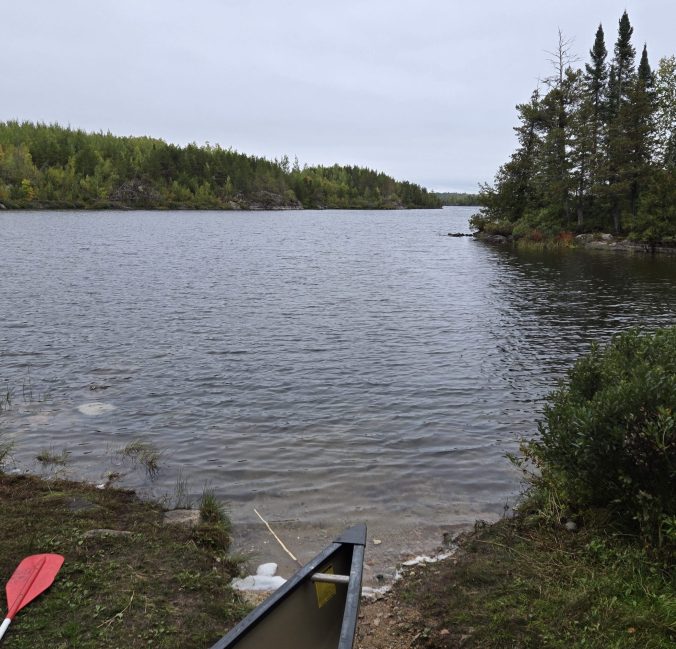
Underneath it all is the land itself, which predates all of it by thousands of years. Glaciers covered most of Minnesota until they retreated around 10,000 to 12,000 years ago, leaving behind more than 11,000 lakes and landforms like moraines, eskers, and drumlins across the northern two-thirds of the state. That inheritance still shapes policy today — the Minnesota DNR manages a hydrology the ice sheets finished designing long before there was a department, or a mine proposal, to fight over.
I’m starting here, in Minnesota, because it’s timely and it’s my backyard — I know this land, these fights, and these headlines well enough to trace them properly. But my lens doesn’t stop at a state line, or even a border. I love the Americas as a whole, and this blog will keep expanding hemisphere-wide — from the Arctic Circle down to the tip of Argentina — following the same threads of land, peoples, and current events wherever they lead.
“History” so often gets flattened into a subject — dates, places, memorization — instead of what it actually is: an unfinished storybook. Here’s where you can follow that thread with me:
The Paper Trail. Current events explained through history — the treaty, policy, or precedent sitting underneath whatever’s actually in the headline this week.
Screen vs. Source. A pop culture fact-check — what a movie or show gets right, smooths over, or leaves out, plus the real story underneath. Native representation on screen right now is a genuine mixed bag — some shows thriving, some canceled too soon — and that tension alone is worth unpacking.
What the Land Remembers. Environmental and land history connected to a present-day issue — water rights, mining disputes, wildfire policy — and a timeline that stretches back millennia.
Monthly Roundup. A recap tying that month’s posts together — the easiest place to jump in if you’re catching up.
New posts go up three times a week — Monday, Wednesday, and Friday — rotating between the first three pillars depending on what’s timely, each with a short-form video companion the following day.
History is here to guide us — not just to inform us, but to warn us, orient us, and occasionally surprise us into seeing the present differently. I’ve spent years studying it, and I’d love for you to study it alongside me. Welcome — let’s trace the threads together.


